


Sedona Weather & Temperatures
Reviewed and updated by AZ Leisure Staff Writers on
Sedona's weather changes noticeably with the seasons, from warm summer days to cool winter nights and occasional snow. Spring and fall often bring milder daytime conditions, while summer offers long daylight hours and winter can transform the surrounding red rocks with snow. Use the current weather information, seasonal overview, average monthly temperatures, rainfall, and sunrise and sunset times below to help plan your visit to Sedona, Arizona.
- Current Sedona Weather
- Weather By Season
- Average Temperatures & Rainfall
- Sunrise & Sunset Times
- Weather Planning Tips
- FAQ
Current Sedona Weather
Check current Sedona weather before heading outdoors, particularly when hiking, sightseeing or planning other activities affected by temperature and precipitation. Current conditions can differ substantially from the monthly averages shown farther down this page.
Sedona Weather By Season
Spring Weather
Spring brings warming temperatures and longer daylight hours to Sedona. Conditions can vary between warm afternoons and much cooler mornings and evenings, making layers useful for visitors spending much of the day outdoors.
Summer Weather
Summer is the warmest season in Sedona, with strong daytime sun and long daylight hours. Seasonal thunderstorms can also occur, so visitors planning hikes and other outdoor activities should check current conditions and be prepared for changing weather.
Fall Weather
Fall brings cooling temperatures after summer, with increasingly cool mornings and evenings as the season progresses. Autumn also brings seasonal color to areas such as Oak Creek Canyon, adding another reason to explore the Sedona area during this time of year.
Winter Weather
Winter brings cooler days, cold nights and the possibility of snow. Snowfall can temporarily cover Sedona's red rock formations and higher terrain, while changing winter conditions can affect roads, trails and outdoor activities.
Sedona Average Temperatures & Rainfall
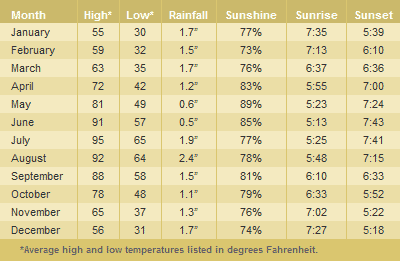
The chart below provides average monthly high and low temperatures and average rainfall for Sedona, along with approximate sunrise and sunset times. Monthly averages are useful for general trip planning, but they are not forecasts for a specific day. Check current weather conditions as your visit approaches, especially when planning outdoor activities.
Sedona Sunrise & Sunset Times
Daylight changes throughout the year, so sunrise and sunset times can be useful when planning hikes, scenic drives, photography and other outdoor activities. The chart above provides approximate monthly sunrise and sunset times for general planning.
For activities where daylight is especially important, confirm the sunrise or sunset time for your specific date as your visit approaches. Allow additional time to return from trails and remote recreation areas before darkness.
Planning For Sedona Weather
- Check current weather conditions before hiking, sightseeing or beginning other outdoor activities.
- Bring layers when temperatures are expected to change considerably between daytime and evening.
- Carry adequate water and use sun protection during warm, sunny conditions.
- Be prepared for seasonal thunderstorms during summer and avoid exposed outdoor areas when lightning threatens.
- During winter, check road and trail conditions when snow or freezing temperatures are possible.
- Use sunrise and sunset times when planning hikes and other activities where available daylight is important.
- Remember that monthly climate averages describe typical conditions and do not predict the weather for a specific day.
For additional seasonal trip-planning information, see our guides to the best time to visit Sedona, autumn in Sedona and visiting Sedona in winter.
Sedona Weather FAQ
What is the weather like in Sedona?
Sedona has distinct seasonal changes, with warm summers, cooler winters and generally milder conditions during spring and fall. Daytime and nighttime temperatures can differ considerably, so visitors should check current conditions before their trip.
What are the hottest months in Sedona?
Summer is the warmest season in Sedona. Visitors planning outdoor activities during the warmer months should consider daytime temperatures, sun exposure and the possibility of seasonal thunderstorms.
Does it snow in Sedona?
Yes. Sedona can receive snow during winter. Snowfall varies from one weather event and season to another and can temporarily affect roads, trails and outdoor activities.
Does Sedona get summer thunderstorms?
Yes. Seasonal thunderstorms can occur during summer. Conditions can change quickly, so hikers and other outdoor visitors should check the current forecast and respond appropriately when thunderstorms or lightning threaten.
Are Sedona nights cooler than the daytime?
Yes. Temperatures commonly cool after sunset, and the difference between daytime and nighttime conditions can be noticeable. Layers can be useful when spending time outdoors from afternoon into evening.
Where can I find average Sedona temperatures and rainfall?
The weather chart on this page provides average monthly high and low temperatures and rainfall for Sedona, along with approximate sunrise and sunset times.
What is the best time of year to visit Sedona?
The best time depends on the activities and weather conditions you prefer. Spring and fall generally bring milder temperatures, summer is warmer with long daylight hours, and winter offers cooler conditions with the possibility of snow.
See All Sedona Has To Offer
Sedona Annual Events
Grasshopper Point
Sedona In Autumn
Directions To Sedona
Directions From Phoenix
Red Rock Sycamore Loop
Sedona Tours
Sedona Air Tours
Chapel Of The Holy Cross
Miles From Sedona
Arizona State Map
Shuttles & Transportation
Sedona Pictures
More Sedona Pictures
Sedona Video
About Sedona











