


Best Time To Visit Sedona, Arizona
Reviewed and updated by AZ Leisure Staff Writers on
The best time to visit Sedona depends on whether you value mild weather, smaller crowds, lower lodging prices or a particular outdoor activity. Spring and fall are especially popular for comfortable temperatures and hiking, while summer and winter can reward flexible travelers with lighter crowds and seasonal experiences. Use this guide to compare Sedona's weather, crowds, lodging and activities throughout the year.
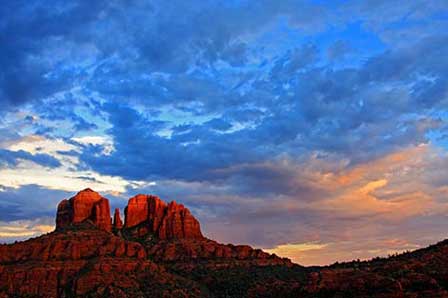 Cathedral Rock © Mike Koopsen
What Is The Best Season To Visit Sedona?
For many visitors, spring and fall offer the best combination of comfortable weather and opportunities for hiking, sightseeing and other outdoor activities. These desirable conditions also make spring and fall popular times to visit, so expect greater demand for lodging, restaurants, parking and popular trailheads. Travelers who prefer fewer crowds or better lodging values should also consider summer and winter.
Visiting Sedona In Spring
Spring is one of Sedona's most popular seasons because daytime temperatures are generally comfortable for hiking, sightseeing, scenic drives and outdoor dining. The combination of pleasant weather and longer daylight hours also means popular trails and attractions can be busy. Reserve lodging well ahead when possible and consider starting outdoor activities early in the day.
Visiting Sedona In Summer
Summer brings hotter afternoons, but Sedona's elevation of about 4,500 feet keeps it noticeably cooler than Arizona's lower desert communities. Plan hiking and other strenuous outdoor activities for the cooler morning hours, then consider swimming, shopping, dining, sightseeing or relaxing at your lodging during the hottest part of the day. Summer can also bring seasonal monsoon thunderstorms, so check the forecast before heading onto exposed trails.
Visiting Sedona In Fall
Fall is another excellent time to visit Sedona, with comfortable conditions for hiking, sightseeing and exploring Red Rock Country. Cooler temperatures return as the season progresses, and autumn color along Oak Creek adds another reason to visit. Because fall is a popular travel period, lodging and busy recreation areas can fill quickly, particularly on weekends.
Visiting Sedona In Winter
Winter is a good choice for visitors seeking a quieter Sedona experience. Daytime conditions are often mild enough for hiking and sightseeing, although mornings and nights can be cold and occasional snow can transform the red-rock landscape. Winter lodging demand is generally lower than during the busiest spring and fall periods, but travelers should still check weather and road conditions before outdoor excursions.
Sedona Weather And Climate
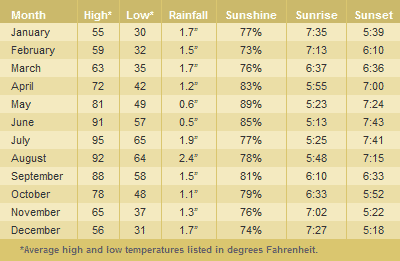
Sedona has a four-season climate influenced by its approximately 4,500-foot elevation. Summers are warmer during the afternoon but generally cooler than Arizona's lower deserts, while winter brings cool days, cold nights and occasional snow. Spring and fall typically provide some of the most comfortable conditions for outdoor recreation. Always check the current forecast before hiking or planning other weather-sensitive activities.
Sedona Lodging Prices And Crowds
Spring and fall typically bring stronger demand for Sedona lodging because of their comfortable outdoor weather. Reserving accommodations in advance is especially helpful during popular weekends, holidays and events. Summer and winter can offer better lodging values and lighter crowds, although rates vary by property, day of the week and local events. Compare current rates before booking rather than relying on a fixed seasonal price schedule.
For more options, see our guide to Sedona lodging and accommodations and information about the best places to stay in Sedona.
Choose The Best Time Based On Your Priorities
- Best for mild hiking weather: Spring and fall.
- Best for lighter crowds: Summer and winter.
- Best for autumn color: Fall, particularly around Oak Creek Canyon.
- Best for a chance to see snow on the red rocks: Winter.
- Best for swimming and creek activities: Summer.
- Best for potential lodging values: Summer and winter, depending on dates and demand.
Best Time To Visit Sedona FAQ
What is the best month to visit Sedona?
There is no single best month for every traveler. Spring and fall generally offer comfortable conditions for outdoor activities, while summer and winter can provide lighter crowds and potentially better lodging values.
What are the busiest seasons in Sedona?
Spring and fall are generally among the most popular times to visit because of their comfortable weather. Weekends, holidays and special events can increase crowds at any time of year.
Is Sedona too hot to visit in summer?
Sedona can be hot during summer afternoons, but its approximately 4,500-foot elevation keeps it cooler than Arizona's lower deserts. Plan strenuous outdoor activities for the morning, carry plenty of water and watch the forecast for summer thunderstorms.
Is winter a good time to visit Sedona?
Yes. Winter generally brings lighter crowds, cool daytime temperatures and the possibility of occasional snow against the red-rock scenery. Cold mornings and changing weather make layered clothing advisable.
When are Sedona hotels generally less expensive?
Summer and winter can offer better lodging values than the higher-demand spring and fall periods. Prices still vary considerably by property, weekends, holidays and special events, so compare current rates before booking.
See All Sedona Has To Offer











