


Sycamore Canyon Wilderness In Arizona
Reviewed and updated by AZ Leisure Staff Writers on
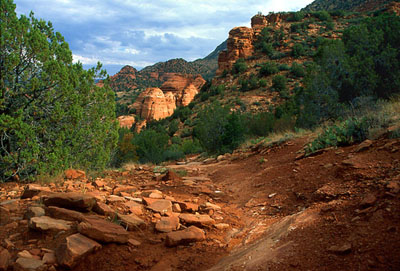
No paved roads, no developed campgrounds and few signs of civilization define the remote character of Sycamore Canyon Wilderness. Stretching through north-central Arizona between the Williams area and the Verde Valley northwest of Sedona, the wilderness protects a dramatic landscape of cliffs, forested rims, deep canyon country and riparian vegetation along Sycamore Creek. Hiking trails provide access to portions of the canyon, but visitors should be prepared for rugged terrain, limited facilities and the challenges of backcountry travel.
- About Sycamore Canyon
- Hiking & Trails
- Parsons Trail
- Wilderness Planning
- Directions & Access
- Sycamore Canyon Map
- FAQ
About Sycamore Canyon Wilderness
Sycamore Canyon Wilderness offers a much less developed experience than many of the better-known recreation areas around Sedona. The landscape ranges from forested canyon rims to rugged interior terrain, cliffs, seasonal water and riparian areas. Trails approach the wilderness from several directions, giving hikers opportunities to experience both the upper reaches and deeper portions of the canyon.
Solitude is one of the area's primary attractions, but it also means visitors should not expect the services, developed trailheads or other conveniences found at heavily visited recreation sites. Conditions can vary considerably with elevation, season and weather.
Hiking In Sycamore Canyon Wilderness
Hiking is the primary way to explore Sycamore Canyon Wilderness. Routes range from rim trails with broad canyon views to trails that descend into more isolated backcountry terrain. Elevation changes, rocky surfaces, limited shade and long distances can make seemingly straightforward routes more demanding than expected.
Before choosing a trail, consider the distance, elevation change, water availability, weather and difficulty of returning to the trailhead. Carry adequate water and navigation information, and do not depend on reliable cell service in remote portions of the wilderness.
Hiking Parsons Trail At Sycamore Canyon
Parsons Trail provides access to the lower portion of Sycamore Canyon and follows Sycamore Creek through a scenic canyon setting. The route includes creekside vegetation, canyon walls and water crossings, with pools and other riparian features along portions of the trail. Trail and water conditions can change with weather and runoff, so hikers should check current conditions before beginning the route.
Planning A Visit To Sycamore Canyon Wilderness
Sycamore Canyon is a wilderness area, so visitors should be prepared for undeveloped conditions and limited services. Motorized equipment and mechanized transport, including bicycles, are not permitted within designated wilderness. Conditions can become hot and dry, and dependable water should never be assumed.
- Carry adequate drinking water and appropriate sun protection.
- Bring a map or other reliable navigation information for backcountry travel.
- Check current weather, road, trail and fire conditions before your trip.
- Be prepared for limited or unavailable cellular service.
- Leave archaeological and cultural resources undisturbed.
- Pack out trash and follow Leave No Trace practices.
- Turn around if weather, water crossings or trail conditions become unsafe.
Directions & Access To Sycamore Canyon
Sycamore Canyon Wilderness can be approached from several areas, and the best access depends on the trail or portion of the canyon you plan to visit. Parsons Trail is reached from the Verde Valley side of the wilderness, while other routes approach from higher elevations and more remote forest roads.
Some access roads are unpaved and can become rough or impassable after heavy rain, snow or other severe weather. Before driving to a trailhead, check current road and trail conditions and make sure your vehicle is appropriate for the route.
Sycamore Canyon Wilderness Map
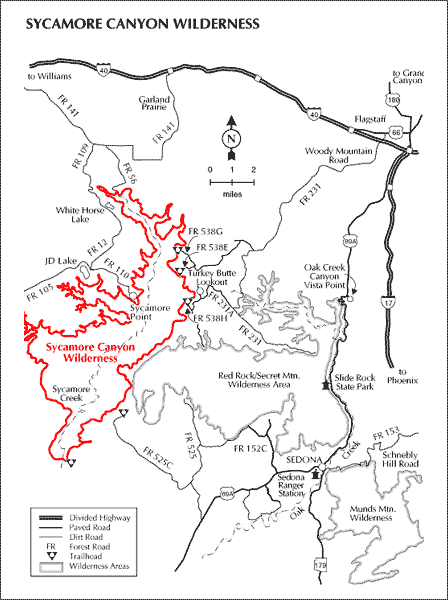
Use the map for general orientation rather than as your only backcountry navigation resource. Trail access, road conditions and wilderness conditions can change, so obtain current information before entering remote areas.
Where To Stay Near Sycamore Canyon
Sedona and communities throughout the Verde Valley provide lodging options for visitors exploring Sycamore Canyon. See our guides to Sedona resorts, bed and breakfasts and vacation rentals when planning an overnight stay.
Sycamore Canyon Wilderness FAQ
Where is Sycamore Canyon Wilderness?
Sycamore Canyon Wilderness is in north-central Arizona, extending through rugged canyon country between the Williams area and the Verde Valley northwest of Sedona.
Can you hike in Sycamore Canyon Wilderness?
Yes. Hiking trails provide access to portions of Sycamore Canyon Wilderness from several directions. Routes vary in length, difficulty, elevation change and remoteness, so hikers should choose a trail appropriate for their experience and current conditions.
What is Parsons Trail?
Parsons Trail is a hiking route into the lower portion of Sycamore Canyon. The trail follows Sycamore Creek through canyon scenery with riparian vegetation, water crossings and pools along portions of the route.
Are bicycles allowed in Sycamore Canyon Wilderness?
Bicycles and other forms of mechanized transport are not permitted within designated wilderness. Visitors should follow current wilderness regulations and posted restrictions.
Are there facilities inside Sycamore Canyon Wilderness?
Visitors should plan for undeveloped wilderness conditions and should not depend on facilities, drinking water or cellular service while exploring remote portions of the canyon.
Do I need to bring water when hiking Sycamore Canyon?
Yes. Carry adequate drinking water for your planned route and conditions. Do not assume that natural water sources will be available or safe to drink.
Can I drive into Sycamore Canyon Wilderness?
Motorized vehicles are not permitted within designated wilderness. Roads outside the wilderness provide access to various trailheads, but some are unpaved and conditions can change with weather.
Attractions In The Sedona Area











